
Omron power supplies Distributor | Genuine In-Stock SKUs
Omron power supplies Parts with Fast Lead-Time Support
This power supplies page includes genuine Omron models selected for industrial reliability and easier sourcing.
Need help choosing the right SKU? Share your application details and we can recommend matching options quickly.
Popular Series and Buying Notes
30 products available in this category.
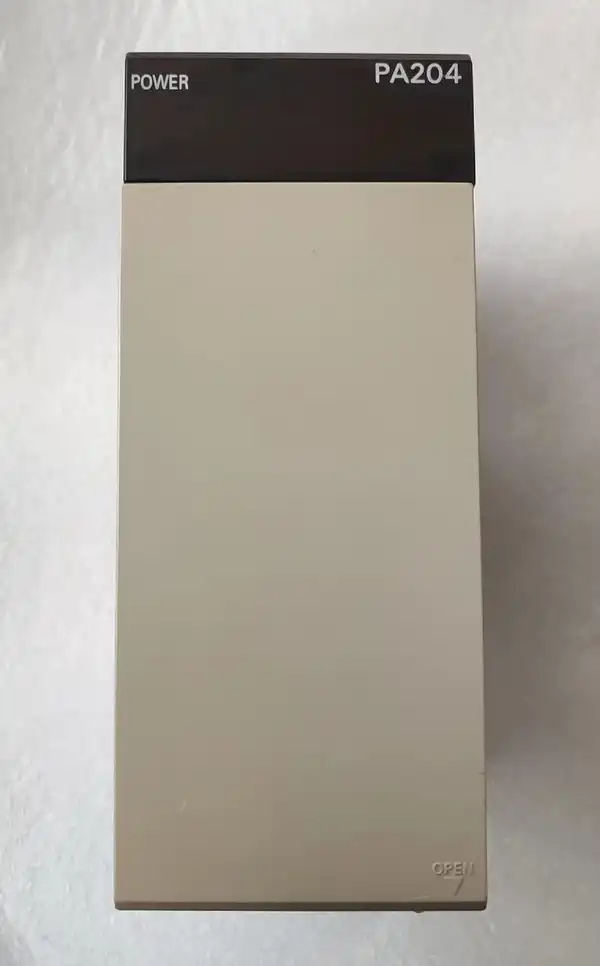

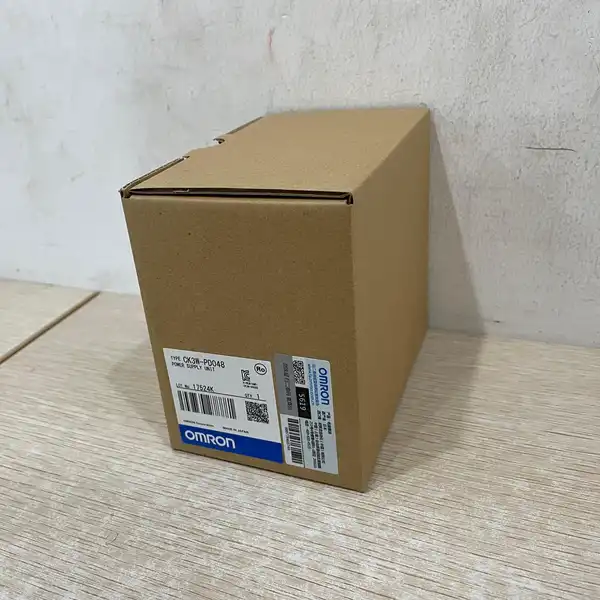
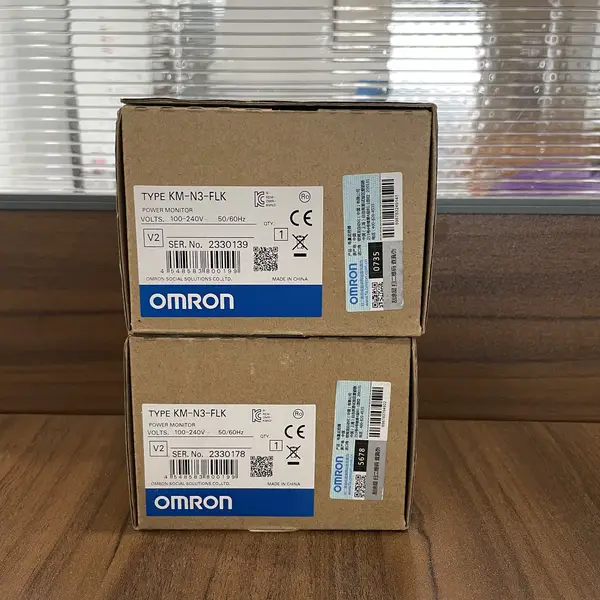

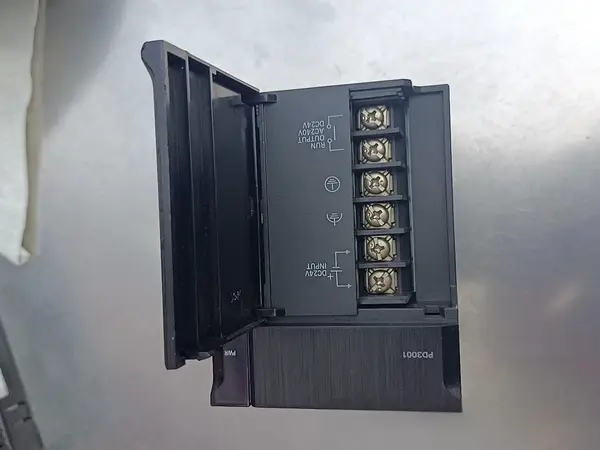
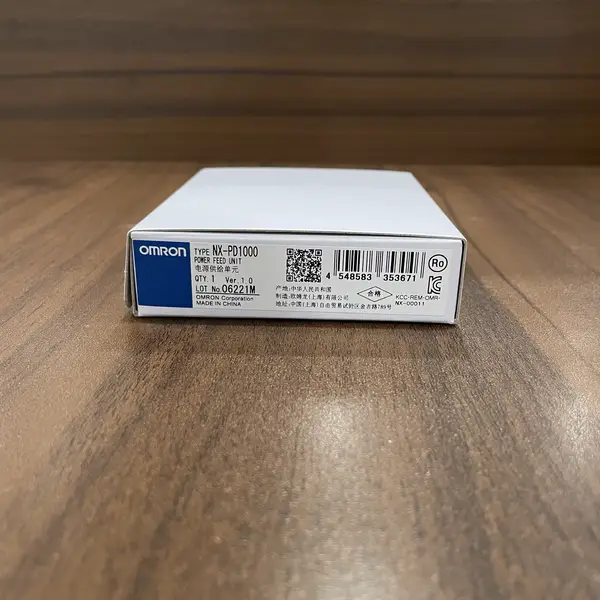
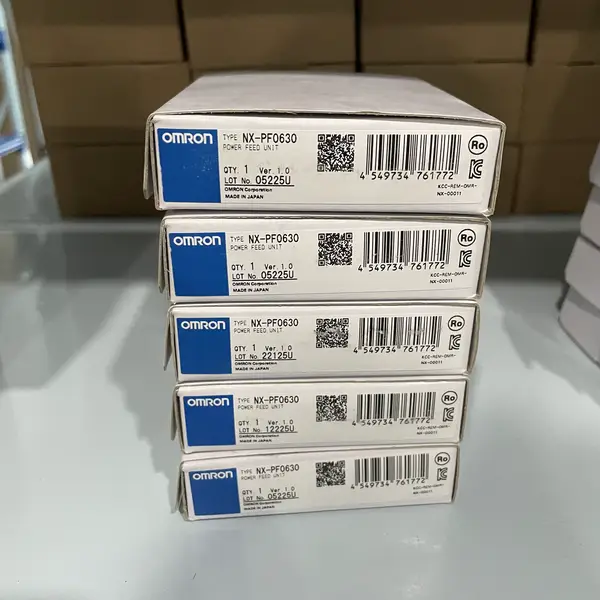
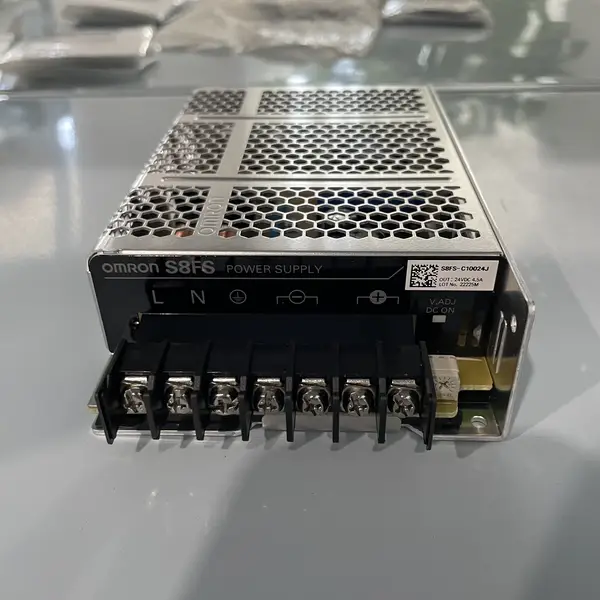
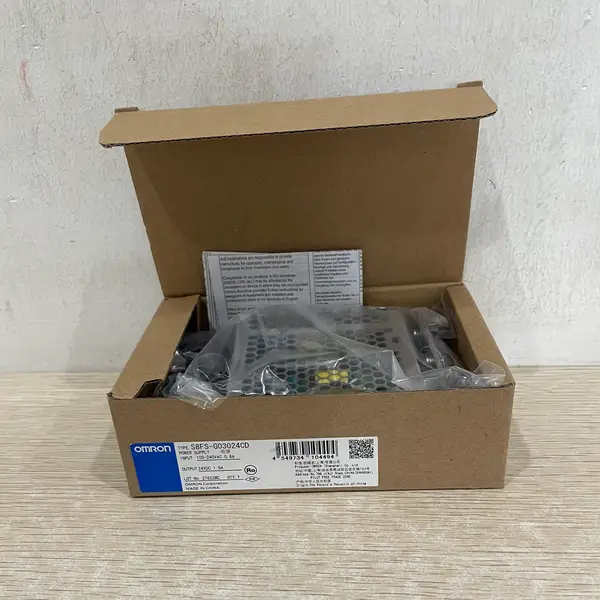
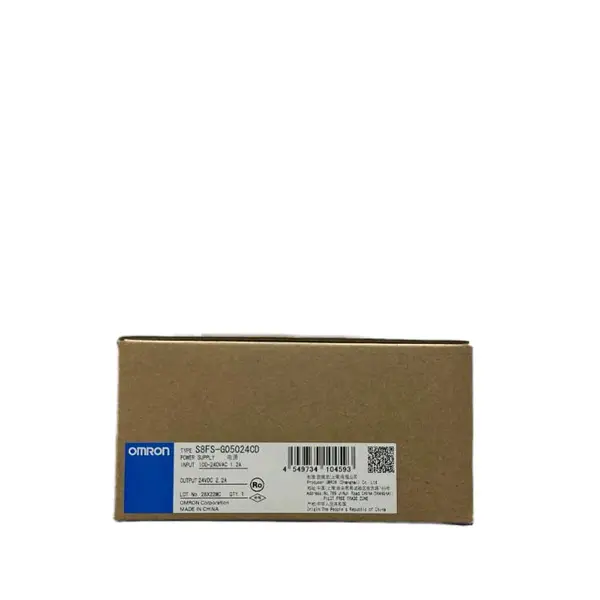
Browse All 12 SKUs in power supplies
Why Choose Omron power supplies?
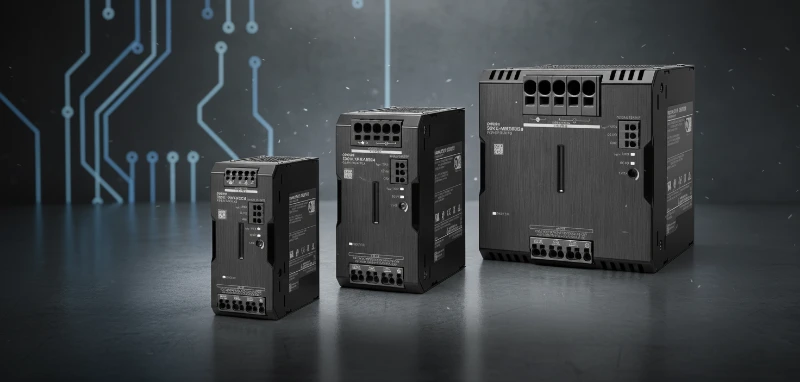
Omron's power supplies are the foundation of a stable and reliable control system. Engineered for high efficiency and a long operational life, they provide clean, dependable power to sensitive automation components, ensuring consistent performance even in harsh industrial conditions.
- High-efficiency designs that minimize energy loss and reduce cabinet heat
- A wide operating temperature range for dependable start-up and operation
- Compact, DIN-rail mountable form factors to save valuable panel space
- Comprehensive protection against overload, over-voltage, and short circuits
- Global safety standard approvals for worldwide deployment
- Push-In Plus technology for quick, vibration-resistant wiring
Frequently Asked Questions
What's the difference between S8VK-C, S8VK-G, and S8VK-S series?
S8VK-C: Economy series, basic features, 25% cost savings. Suitable for non-critical applications in climate-controlled environments. Operating range: -25 to +60°C. S8VK-G: General purpose, wider temperature range (-25 to +70°C), higher efficiency (88%), DC OK output option. Best for most industrial applications. S8VK-S: Slim design (22.5mm width), same performance as G series. Ideal for space-constrained panels. Choose C for budget projects, G for demanding environments, S when panel space is limited.
How do I calculate the right power supply capacity?
Steps: 1) List all loads (PLC, I/O modules, sensors, HMIs), 2) Sum total current at 24VDC, 3) Add 20-30% safety margin for future expansion, 4) Consider inrush current (motors, contactors), 5) Check operating temperature (derate at high temps). Example: PLC (0.5A) + 16 I/O points (0.2A) + 10 sensors (0.3A) = 1.3A. Add 30% margin = 1.7A minimum. Choose 2.5A or 3A supply. Never operate at 100% capacity continuously.
Can I connect power supplies in parallel for redundancy?
Standard power supplies (S8VK series): Not designed for parallel operation. Small voltage differences cause uneven current sharing. For redundancy, use: 1) Diode OR-ing modules, 2) Dedicated redundancy power supplies, 3) Power supplies with current sharing feature (not available in S8VK). For critical applications, consider UPS systems or redundant power architecture. For increased capacity, use single larger supply instead of paralleling.
What's the advantage of three-phase input power supplies?
S8VK-T series (three-phase input): Benefits include: 1) Balanced load across three phases (important for large installations), 2) Lower input current per phase, 3) Higher efficiency at power levels above 480W, 4) Reduced voltage drop on long cable runs, 5) Better for facilities with three-phase distribution. For single-phase panels under 500W, single-phase input is simpler. For larger systems or three-phase panels, three-phase input is optimal.
Do I need external fuses or circuit breakers?
Yes, external protection is required: 1) Input side: Circuit breaker or fuse sized at 150-200% of input current. Protects wiring and provides disconnect. 2) Output side: Fuses per branch circuit (not always required but recommended). Power supplies have internal protection (overcurrent, overvoltage) but external protection provides: branch isolation, compliance with electrical codes, safer maintenance. Use type D or K breakers for inrush current tolerance.
What's the expected lifetime of a power supply?
Typical lifetime: 10+ years at 40°C ambient and rated load. Lifetime decreases with: 1) Higher temperatures (halve for every 10°C above 40°C), 2) Continuous operation at full load, 3) Frequent power cycling. To maximize lifetime: ensure adequate ventilation (50mm clearance), don't exceed 80% continuous load, maintain clean environment. Electrolytic capacitors are the primary wear component. Consider preventive replacement after 10 years in critical applications.
Can I use a 24VDC power supply for 12VDC loads?
No, S8VK series are fixed 24VDC output. For 12VDC loads, you need: 1) Separate 12VDC power supply, 2) DC-DC converter (24V to 12V), 3) Power supply with adjustable output (not available in S8VK). Never connect 12VDC loads directly to 24VDC - will damage equipment. Some 24VDC relays/sensors tolerate 24VDC ±10%, but 12VDC devices require proper voltage. Plan your power distribution carefully to provide correct voltages.