
Omron drives Distributor | Genuine In-Stock SKUs
Servo Drives and Motion Products for Precision Control
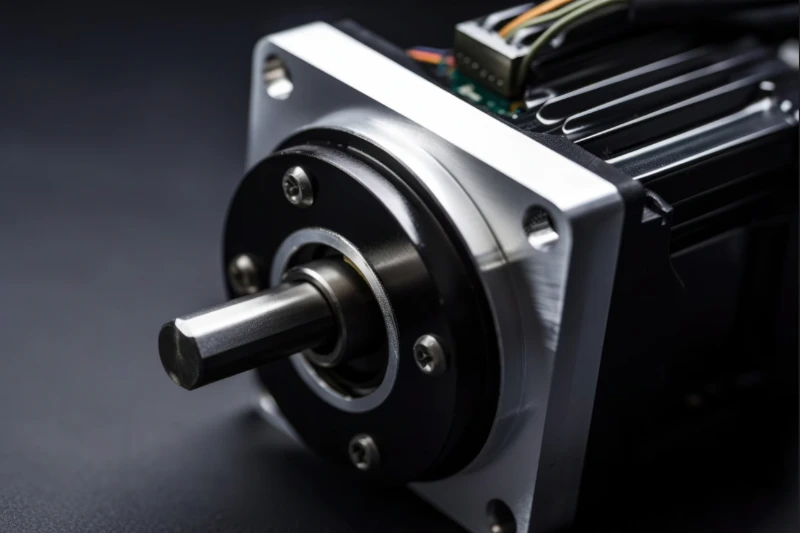
Omron drives and servo systems are widely used where cycle-time consistency, repeatability, and smooth motion are critical.
We assist with matching motor and drive combinations, capacity sizing, and controller compatibility for new builds and replacements.
Popular Series and Buying Notes
46 products available in this category.
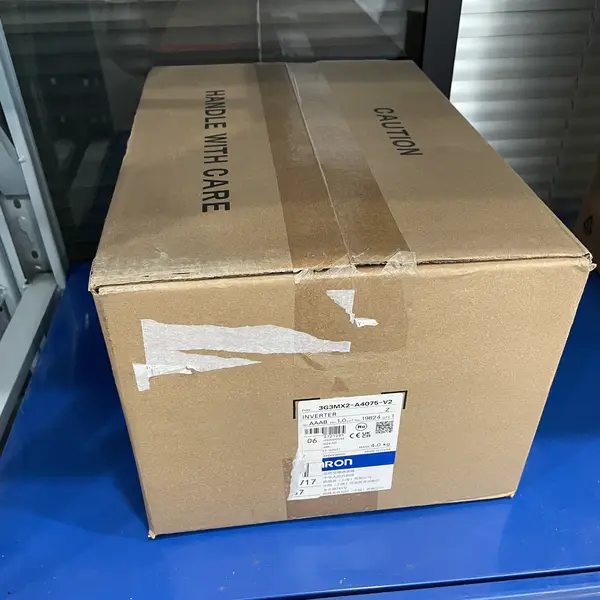
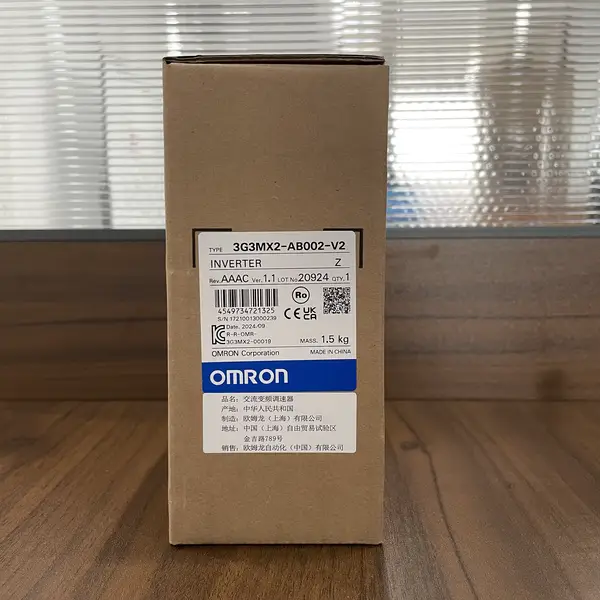
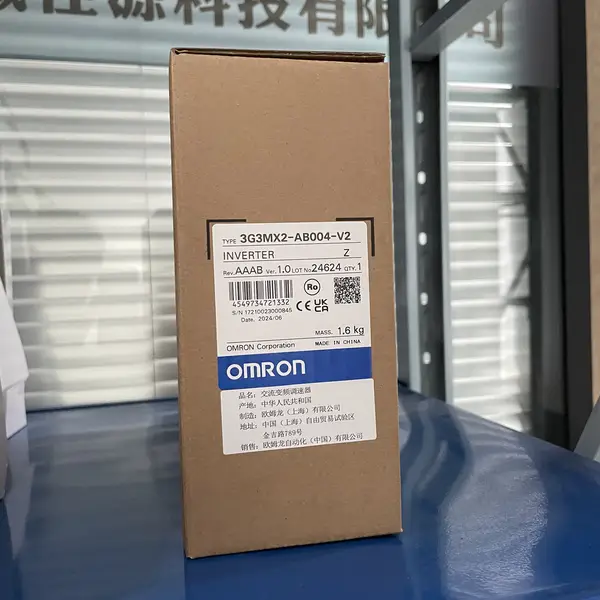
Why Choose Omron drives?
Omron's servo and variable frequency drives offer superior motion control for a wide range of industrial applications. They deliver exceptional precision, speed, and torque control, boosting machine performance while optimizing energy consumption. Built for reliability, our drives ensure smooth and efficient operation.
- High-precision torque, speed, and position control for demanding applications
- Advanced algorithms for vibration suppression and fast settling times
- Integrated safety functions, including Safe Torque Off (STO), to protect personnel and equipment
- Energy-efficient designs that reduce power consumption and operational costs
- Seamless integration within the Sysmac automation platform for unified control
- Compact and robust construction for space-saving and reliable installation
Frequently Asked Questions
What's the difference between servo drives and VFDs (inverters)?
Servo drives: Closed-loop control with encoder feedback, precise position/speed/torque control, high dynamic response. Ideal for positioning, robotics, synchronized motion. More expensive but offer superior control. VFDs (Inverters): Open-loop control (typically), speed control only, simpler operation. Perfect for pumps, fans, conveyors where precise positioning isn't needed. More cost-effective for constant speed applications. Choose servo for precision motion, VFD for speed control of AC motors.
How do I select the right servo motor size?
Consider: 1) Load inertia - match motor inertia to load (1:1 to 5:1 ratio ideal), 2) Required torque - calculate peak and continuous torque, add 20-30% safety margin, 3) Speed requirements - ensure motor reaches required RPM, 4) Acceleration needs - higher acceleration requires more torque, 5) Duty cycle - continuous vs. intermittent operation. Use Omron's sizing software or consult application engineer. Undersized motors overheat; oversized motors waste energy and cost more.
What's the difference between 1S, Sigma-V, and SmartStep 2 servo series?
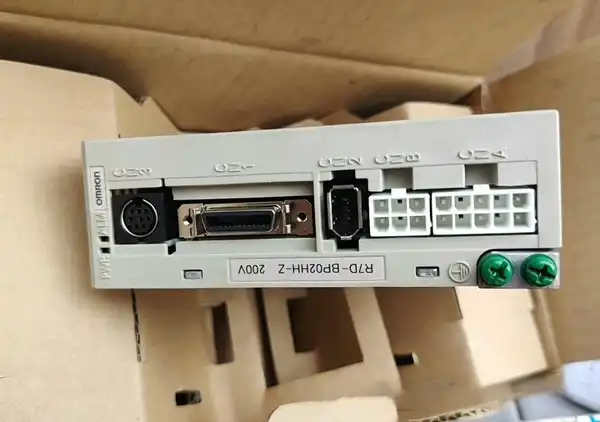
1S (R88M-1S): Latest generation, highest performance, 20-bit encoder, advanced tuning, EtherCAT option. Best for demanding applications. Sigma-V (R88M-K): Previous generation, still excellent performance, 20-bit encoder, widely deployed, cost-effective. SmartStep 2 (R7D): Entry-level servo, 17-bit encoder, basic features, most affordable. Choose 1S for new high-performance designs, Sigma-V for proven reliability at lower cost, SmartStep 2 for budget-conscious applications.
Can I use a VFD with a single-phase input?
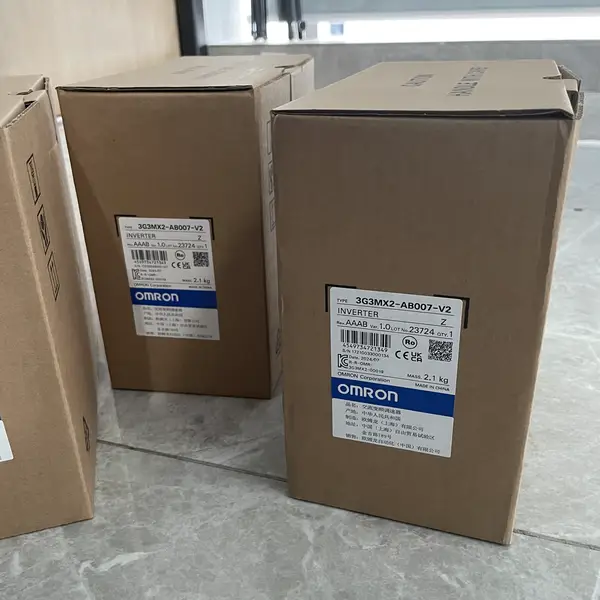
Yes, many Omron VFDs support single-phase input: MX2 series (3G3MX2): Models up to 2.2kW accept single-phase 230V input. Output is three-phase for motor. Important: Derate output current by ~30% when using single-phase input. Check specific model datasheet. Single-phase input is common in small workshops or locations without three-phase power. For larger power requirements, three-phase input is necessary.
Do I need a brake resistor for my servo or VFD?
Brake resistors are needed when: 1) Frequent stopping/starting (high cycle rate), 2) Vertical axes (gravity causes regeneration), 3) High-inertia loads requiring quick deceleration, 4) Emergency stops. Small servos (under 400W) often have internal braking. Larger systems need external resistors. Calculate based on: deceleration time, load inertia, cycle rate. Without proper braking, drives fault on overvoltage during deceleration. For VFDs, brake chopper is often optional; for servos, it's typically built-in.
What communication options are available for drives?
Servo drives: 1S series: EtherCAT (standard), MECHATROLINK-III option. Sigma-V: MECHATROLINK-II/III, EtherCAT option. SmartStep 2: Pulse/direction, analog speed. VFDs (MX2): Modbus RTU (built-in), EtherCAT, DeviceNet, EtherNet/IP, PROFIBUS options. For multi-axis synchronization, EtherCAT is optimal. For simple speed control, Modbus RTU suffices. For Omron PLC integration, MECHATROLINK offers seamless connectivity but is Omron-proprietary.
How do I protect my drive from power issues?
Protection measures: 1) Input reactors - reduce harmonics, protect from line transients, 2) EMC filters - reduce electrical noise (required for CE marking), 3) Proper grounding - essential for noise immunity and safety, 4) Surge suppressors - for lightning-prone areas, 5) Proper wire sizing - prevent voltage drop, overheating. MX2 VFDs have built-in protection (overcurrent, overvoltage, undervoltage, thermal). Servo drives include similar protection plus encoder fault detection. Always follow installation manual for wiring requirements.