
Omron switches Distributor | Genuine In-Stock SKUs
Industrial Limit and Basic Switches with Durable Operation
This category covers compact and heavy-duty switches for position feedback, interlocks, and repetitive actuation points.
We can help select actuator type, mounting form, and protection rating to match your machine mechanics.
Popular Series and Buying Notes
23 products available in this category.
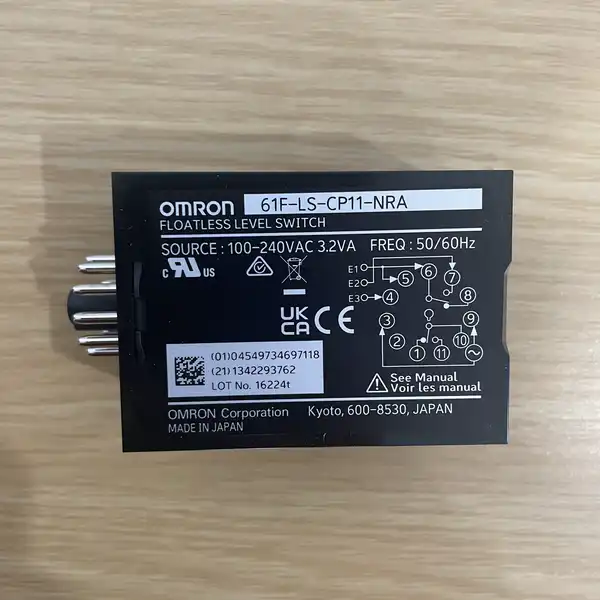
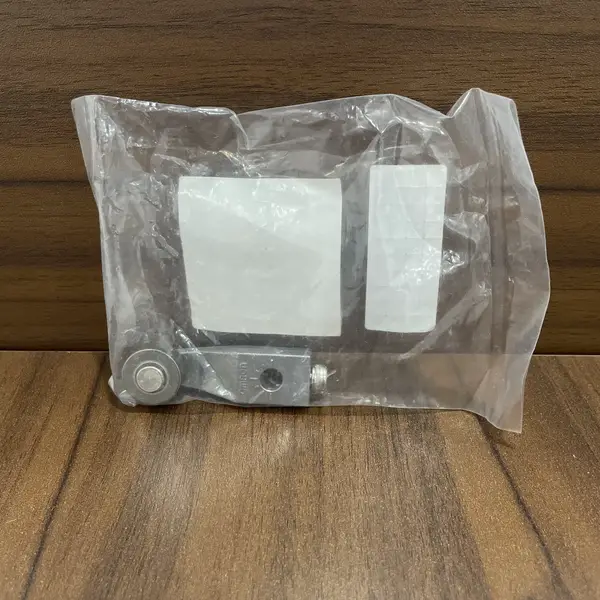
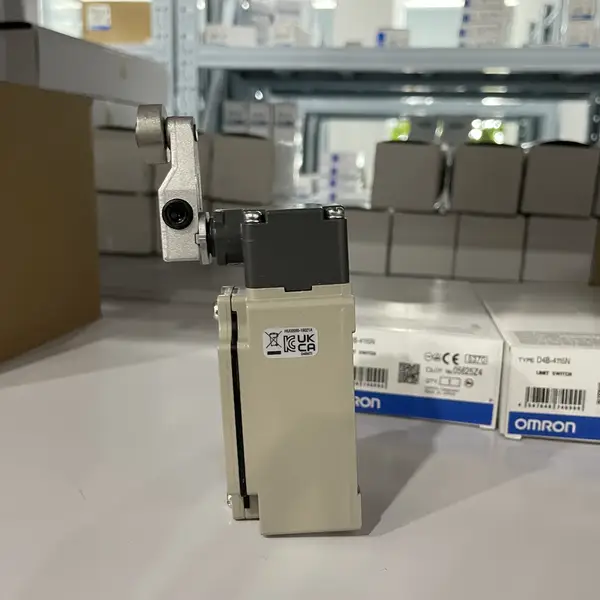
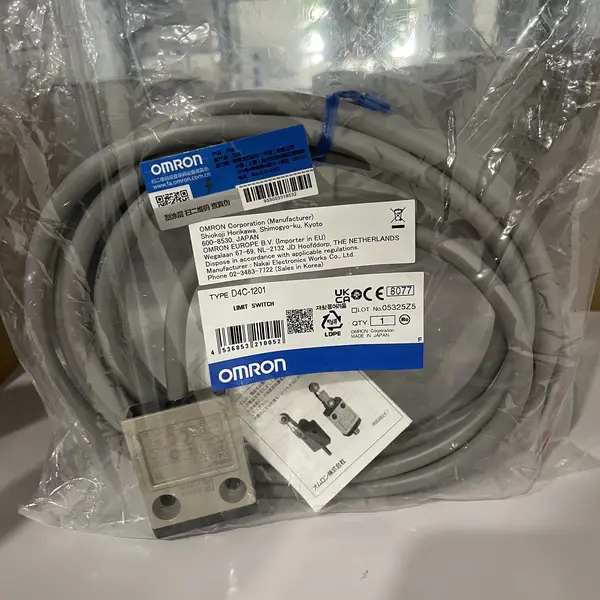
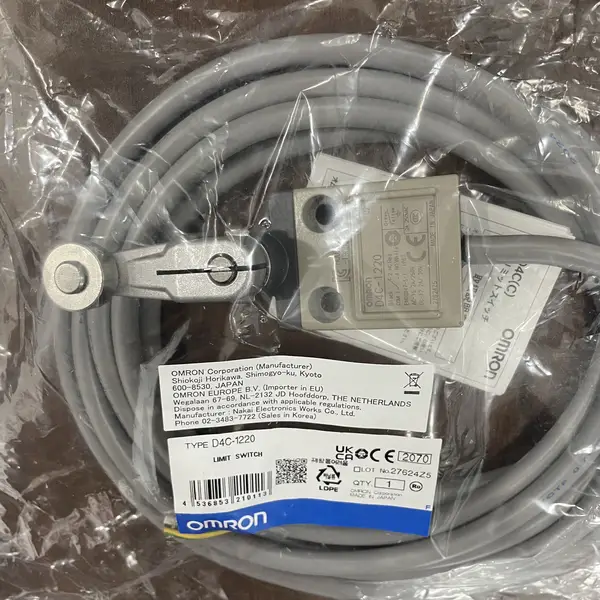
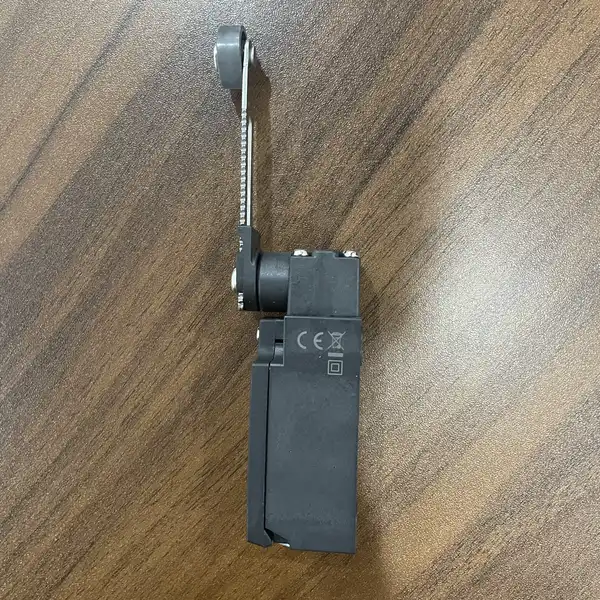
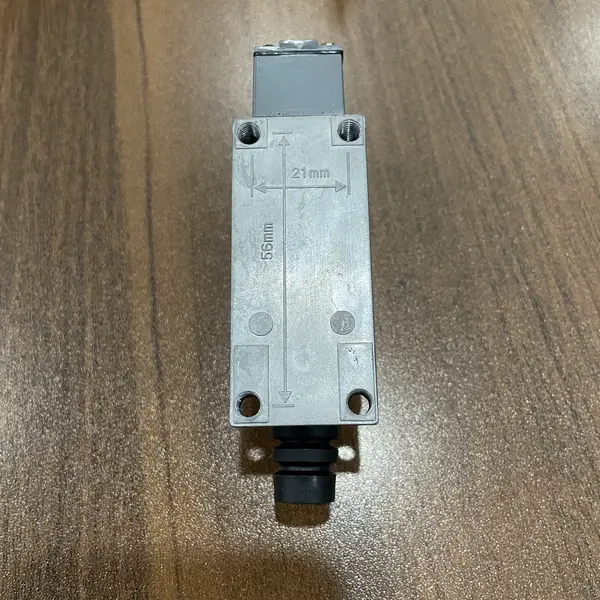
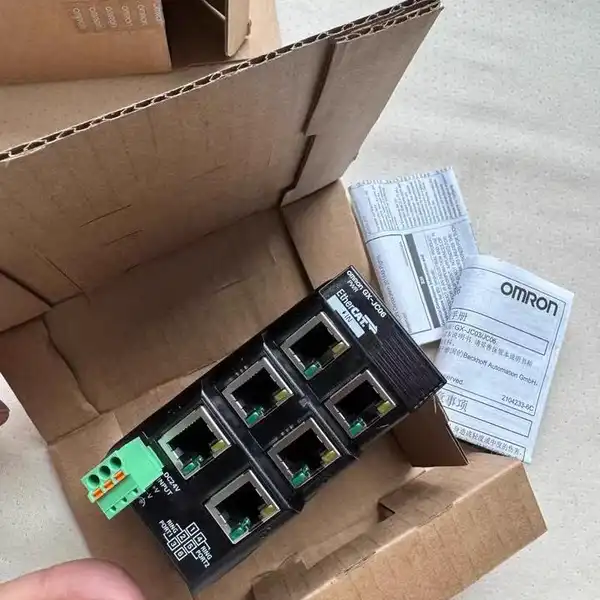
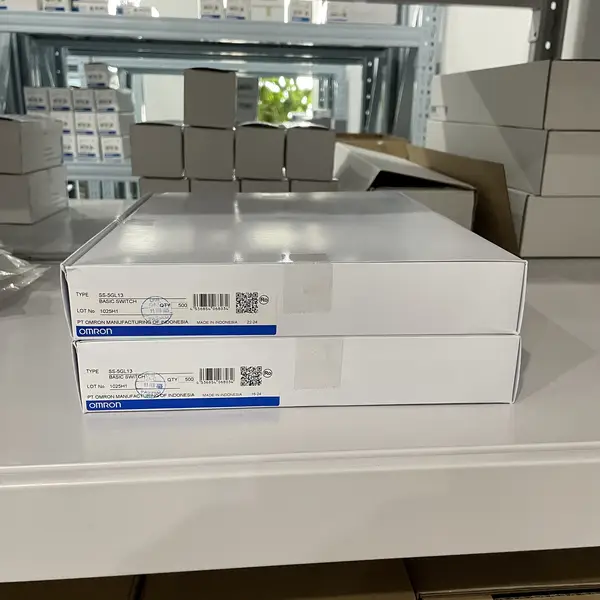
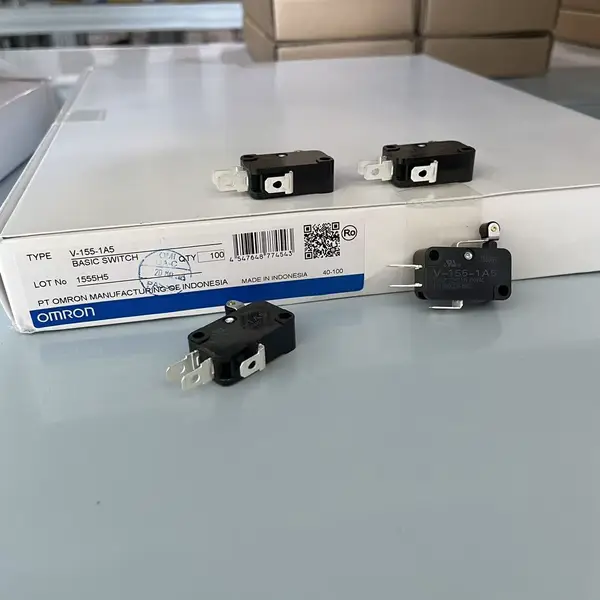
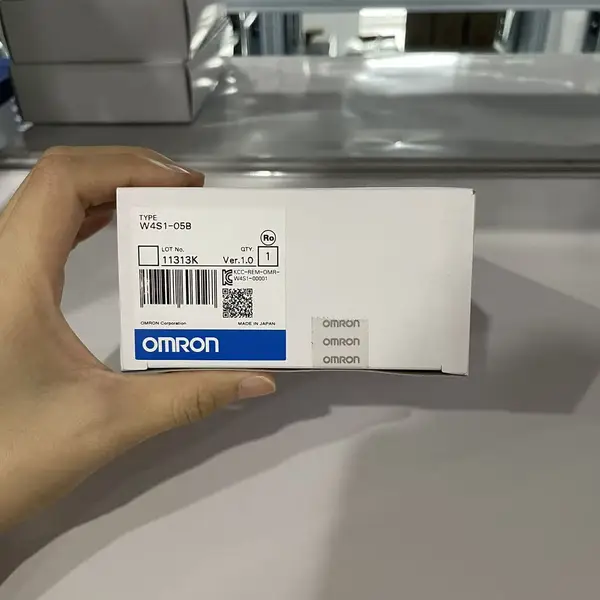
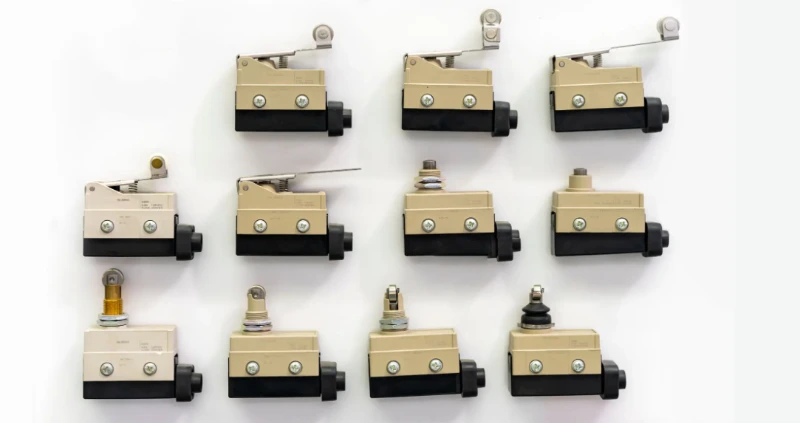
Browse All 12 SKUs in switches
Why Choose Omron switches?
Omron switches are trusted for their exceptional precision, durability, and reliable performance in millions of cycles. From micro-switches detecting minute movements to rugged limit switches for industrial machinery, our portfolio offers a dependable solution for any detection or control application.
- A comprehensive range including basic, limit, pushbutton, and thumbwheel switches
- High-precision actuation and repeatability for critical control tasks
- Robust construction with sealed options for reliability in demanding environments
- Long mechanical and electrical lifespans ensure maximum machine uptime
- Wide variety of actuator types, terminal styles, and electrical ratings
- Global certifications and compliance for seamless international integration
Frequently Asked Questions
What's the difference between limit switches and proximity sensors?
Limit switches: Mechanical operation (physical contact), higher force required, audible/tactile feedback, lower cost, works with any material. Ideal for: positive position verification, high-force applications, cost-sensitive designs. Proximity sensors: Non-contact operation (electromagnetic/capacitive), no wear, faster response, higher cost. Ideal for: high-cycle applications, fragile objects, dirty environments. Choose limit switches for positive verification and low cost; choose proximity for high speed and no wear.
How do I choose the right actuator for my limit switch?
Actuator selection depends on: 1) Operating direction: Top plunger (vertical), side plunger (horizontal), roller lever (cam operation). 2) Operating force: Light force (spring rod), medium (roller lever), high (plunger). 3) Travel distance: Short travel (plunger), long travel (adjustable lever). 4) Environment: Sealed actuators for harsh conditions. WL series offers 50+ actuator options. For cam operation, use roller lever. For direct pressing, use plunger. For adjustable positioning, use adjustable rod lever.
What's the difference between WL, D4C, and D4V limit switch series?
WL: General-purpose, robust, IP67, wide actuator selection. Best for most industrial applications. D4C: Miniature, compact design, IP64. Ideal for space-constrained installations, small mechanisms. D4V: Miniature precision, high operating accuracy, IP64. For precise positioning in compact equipment. Choose WL for general industrial use, D4C for compact designs, D4V for high-precision applications.
Can limit switches be used for safety applications?
Standard limit switches (WL, D4C, D4V): NOT certified for safety functions. Suitable for position feedback, interlocking non-safety circuits. Safety limit switches (D4B, D4NL, D4SL): Certified for Category 3/4, PL d/e, with direct opening action. Required for: guard interlocking, safety gate monitoring, E-stop functions. Never use standard limit switches for safety circuits. Safety switches have specific certifications (CE, TUV, UL) and model numbers indicating safety rating.
What does IP67 rating mean for switches?
IP67 rating: 6 = Dust-tight (complete protection), 7 = Protected against temporary immersion (15cm to 1m for 30 minutes). Suitable for: outdoor use (with proper enclosure), washdown areas (not high-pressure), dirty/dusty environments. For high-pressure washdown (food processing), look for IP69K rating. For indoor clean environments, IP64 (splash-proof) may suffice. Always match IP rating to your environment. Higher IP rating = better protection but higher cost.
How do I wire a limit switch with NO and NC contacts?
Most limit switches have SPDT (1NO + 1NC) contacts: For position detection: Use NO contact (closes when actuated). For safety interlock: Use NC contact (opens when actuated - fail-safe). Wiring: Common terminal (C) to power/signal, NO to load for position detection, NC to load for safety. For safety circuits, always wire NC contact in series with safety relay. Verify contact operation with multimeter before connecting to control system.
What's the maximum operating frequency for limit switches?
Mechanical limit switches: Resistive loads: Up to 1200 operations/hour. Inductive loads: Reduce to 300 operations/hour. Higher frequency causes: mechanical wear, contact degradation, reduced life. For high-cycle applications (over 600 ops/hour), consider: 1) Proximity sensors (no mechanical wear), 2) Solid-state limit switches, 3) Derating contact current. Check datasheet for specific ratings. For continuous high-speed cycling, proximity sensors are more cost-effective despite higher initial cost.