
Omron relays Distributor | Genuine In-Stock SKUs
Reliable Omron Relays for Panel Control and Switching
Our relay lineup includes plug-in, power, and interface relays for dependable switching in control cabinets and machine panels.
We assist with coil voltage, contact configuration, and socket/accessory selection to avoid procurement mismatches.
Popular Series and Buying Notes
50 products available in this category.
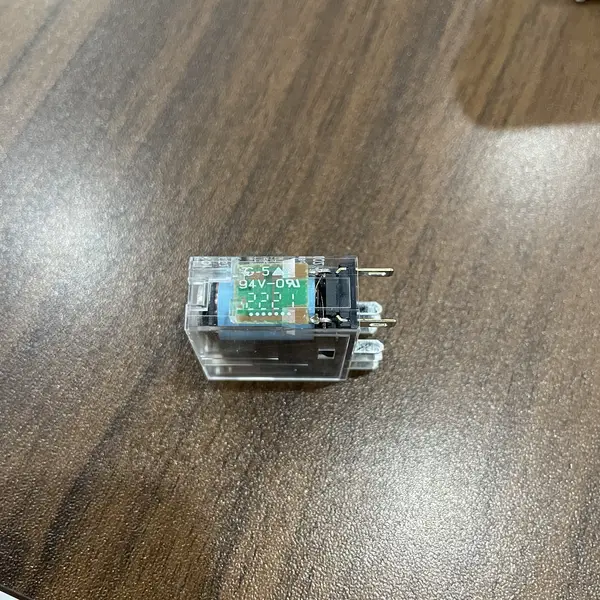
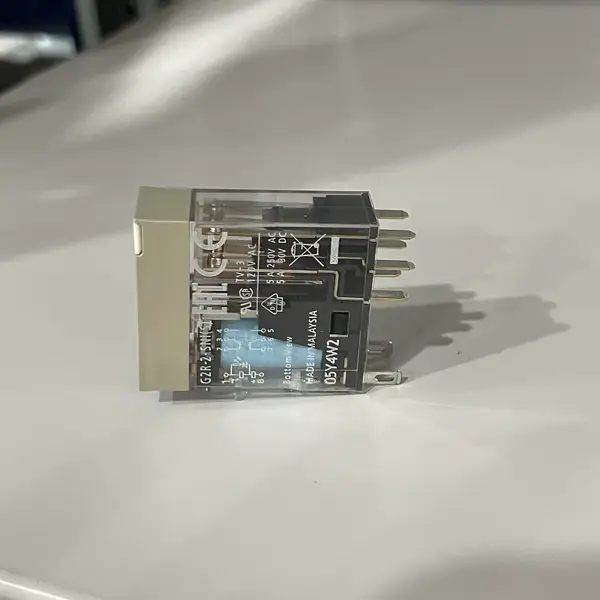
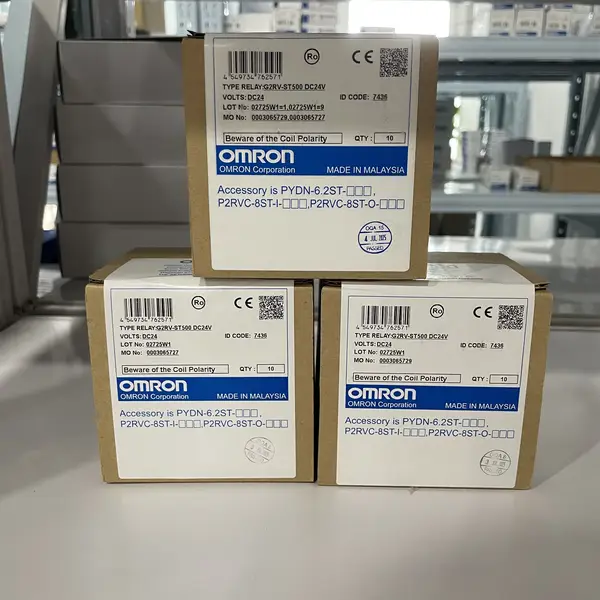
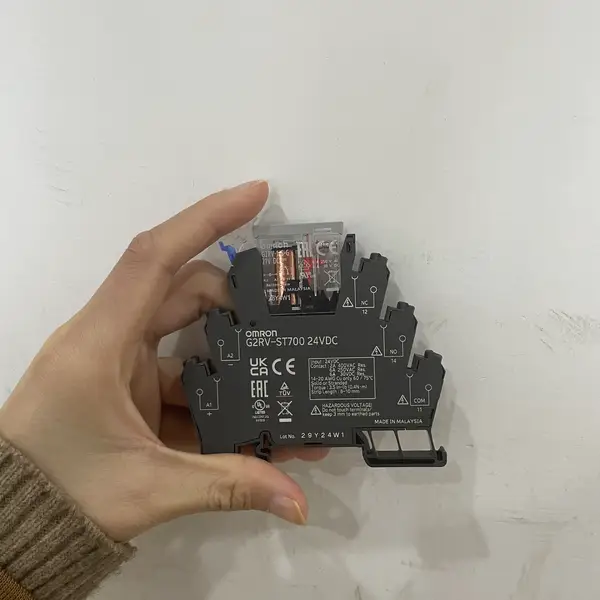
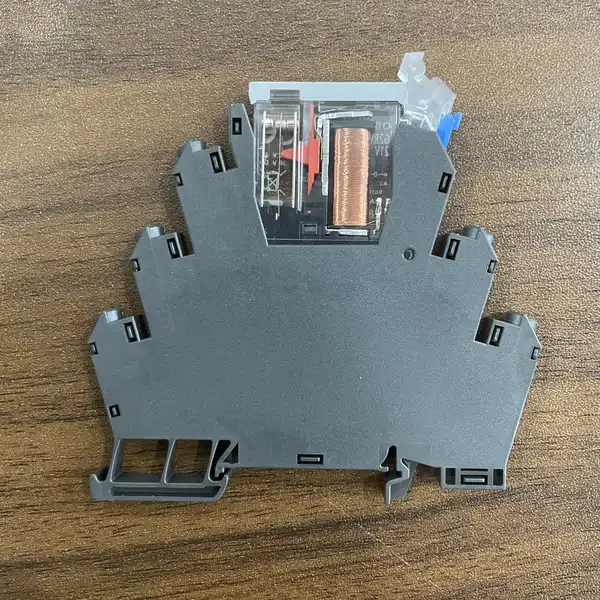
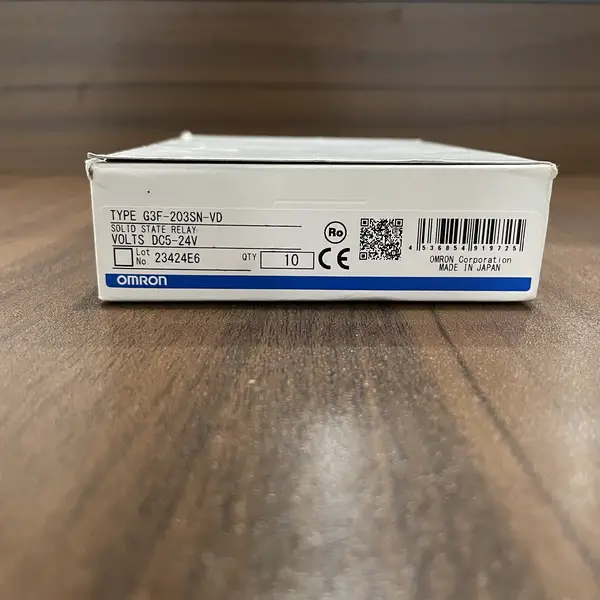
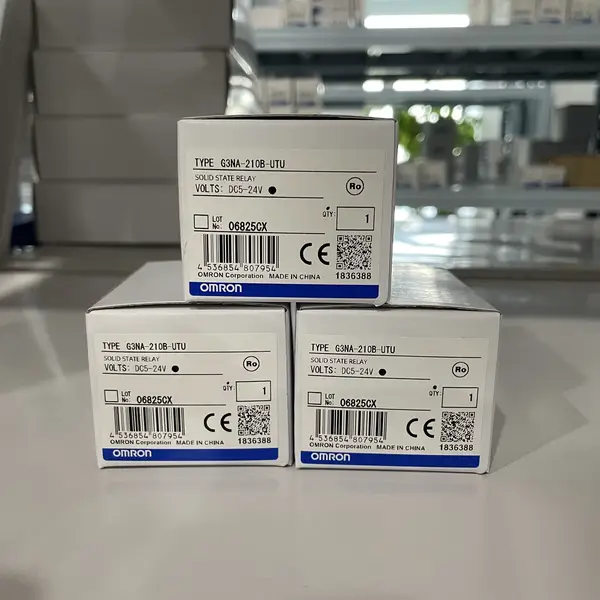
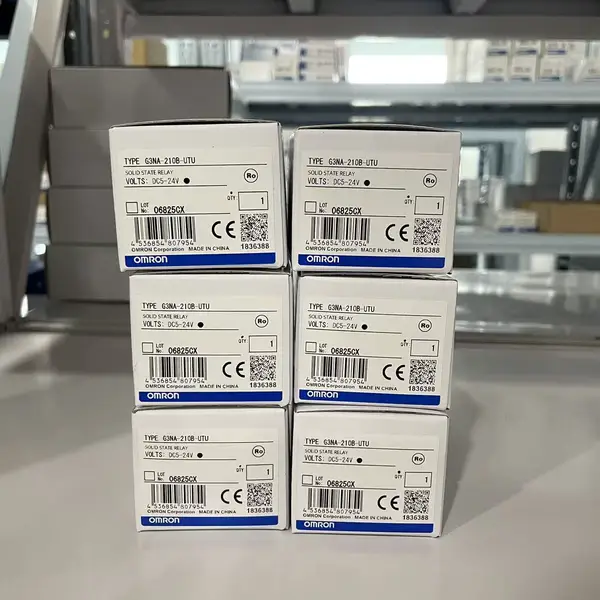
Why Choose Omron relays?
Omron relays are the industry benchmark for quality and reliability in switching applications. With a vast portfolio ranging from PCB signal relays to high-power industrial units, they offer a trusted solution for circuit protection, signal isolation, and load switching in any design.
- Extensive lineup including general purpose, solid-state, power, and signal relays
- Engineered for high reliability with a long mechanical and electrical service life
- Compact and miniature designs to maximize board and panel space
- Low power consumption models for energy-efficient systems
- Global standards compliance for universal application and integration
- Push-In Plus terminal technology available for quick and secure wiring
Frequently Asked Questions
What's the difference between general-purpose relays and safety relays?
General-purpose relays (G2R, LY): Standard contacts, not certified for safety functions. Suitable for control circuits, signal switching, non-safety interlocks. Safety relays (G7SA, G9SA): Forced guided contacts (EN 50205), certified for safety functions (Category 3/4, PL d/e), monitored contact operation, direct opening action on NC contacts. Never use general-purpose relays for safety circuits (E-stop, safety gates). Safety relays cost more but are legally required for safety functions in machinery.
When should I use a solid-state relay (SSR) vs. electromechanical relay?
SSRs: No moving parts, infinite mechanical life, silent operation, fast switching (ms), zero-cross switching reduces inrush. Ideal for: heating control, frequent cycling, noise-sensitive environments. Drawbacks: Higher cost, heat generation, leakage current. Electromechanical: Lower cost, visible contact gap, can switch AC/DC, higher current capacity. Ideal for: general control, infrequent switching, cost-sensitive applications. For heater control or high-cycle applications, SSRs pay for themselves in reliability.
What's the difference between NPN and PNP relay modules?
This refers to I/O relay modules, not the relay itself: NPN modules: Sinking input/output, common in Asian equipment (Omron, Mitsubishi). PNP modules: Sourcing input/output, common in European equipment (Siemens, Allen-Bradley). Match module type to your PLC's I/O type. Using wrong type won't work without additional wiring or interface relays. G2RV-ST series offers both NPN and PNP variants. Check your PLC manual for I/O type specification.
How do I select the right socket for my relay?
Match socket to relay: 8-pin relays (DPDT): Use PYF-08-E (panel mount), P2RFZ-08-E (DIN rail, push-in terminals). 14-pin relays (4PDT): Use PYF-14-E, P2RFZ-14-E. Consider: 1) Mounting style (panel vs. DIN rail), 2) Terminal type (screw vs. push-in), 3) Marking options (for wire labels). Push-in terminals (P2RFZ series) reduce wiring time by 50%. Always use sockets for easy relay replacement without rewiring.
What's the maximum switching frequency for relays?
Electromechanical relays: Resistive loads: Up to 1800 operations/hour. Inductive loads (contactors, solenoids): Reduce to 600 operations/hour. Higher frequency causes: contact wear, reduced life, potential welding. For higher frequency: Use SSRs (no mechanical wear), or derate contact current. Check datasheet for specific ratings. For cycling applications (temperature control, level control), SSRs are recommended despite higher initial cost.
Do I need flyback diodes for relay coils?
DC coil relays: Yes, always use flyback diodes or RC snubbers when switching DC coils with PLC/solid-state outputs. Prevents voltage spikes that can damage output transistors. AC coil relays: Use RC snubbers for same reason. Many Omron relays (G2R, G6B) have built-in diodes for DC coils (indicated by model suffix). Check relay specifications. PLC relay outputs can switch coils directly; transistor outputs require protection.
What's the difference between contact ratings for resistive and inductive loads?
Resistive loads (heaters, incandescent lamps): Full contact rating applies (e.g., 10A at 250VAC). Inductive loads (contactors, solenoids, motors): Derate to 30-60% of resistive rating. AC-15 rating (inductive): Typically 3A for a 10A relay. Reason: Inductive loads cause arcing when interrupted, accelerating contact wear. Always check AC-15 or DC-13 ratings for inductive loads. For motor loads, consider motor-rated contactors instead of general-purpose relays.